Countries discuss global trade imbalances and steel production
Axios · October 1, 2026Original source ↗
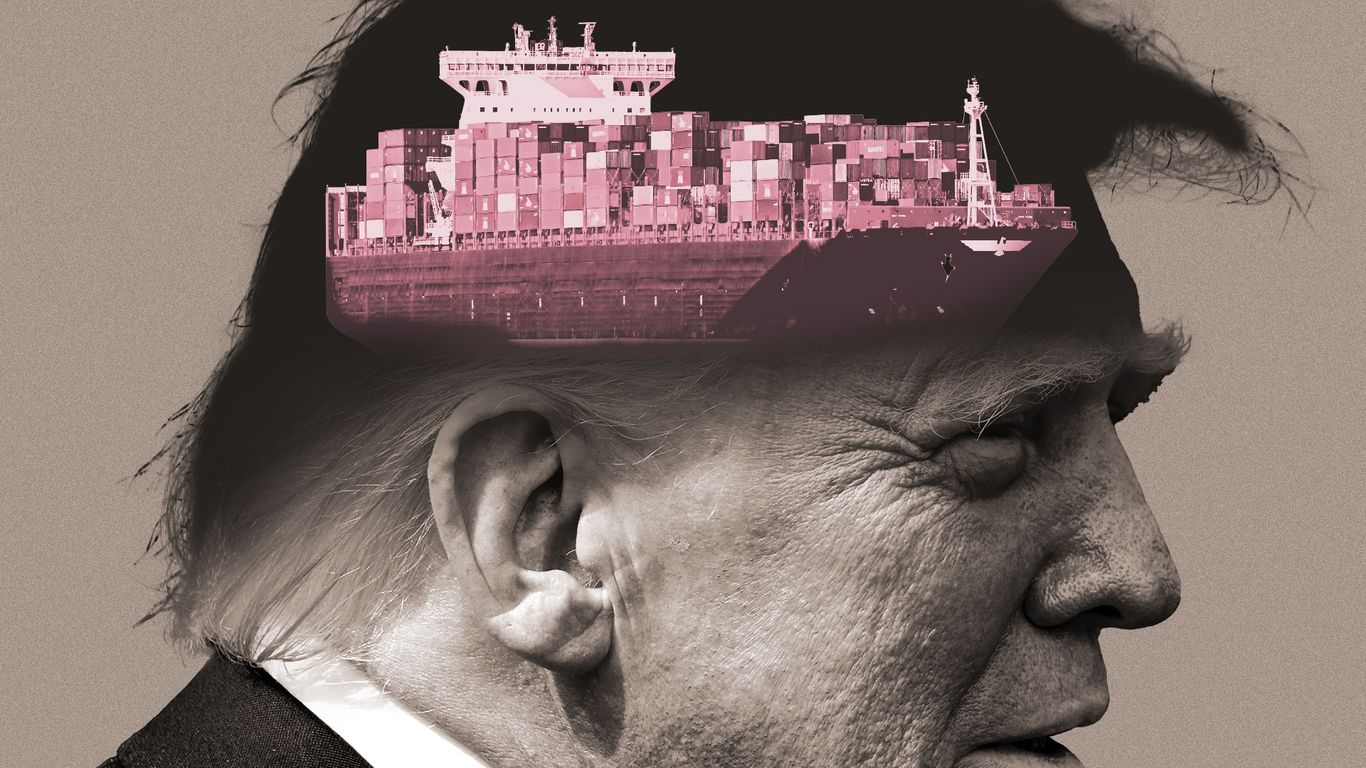
What happened
G20 trade officials in Milwaukee announced the 'Milwaukee Framework' to address global steel overproduction and market-distorting subsidies. This agreement follows a broader consensus at a recent G20 finance ministers meeting, where many countries acknowledged the negative effects of large trade imbalances on domestic industries.
Why it matters
This story is significant as it highlights ongoing efforts to address issues in global trade that impact economies worldwide.
How this story affects people
How does this story affect you if you work in the steel industry?
The new agreement could lead to reduced competition from countries with excess steel production, potentially stabilizing prices and protecting jobs in your sector. If countries implement tariffs or other measures to curb overproduction, it may help sustain your employment and the viability of your company.
How does this story affect you if you are a consumer of steel products?
Changes in global steel production and pricing could affect the cost of goods you purchase, such as cars and appliances. If tariffs are imposed, you might see higher prices in stores as manufacturers pass on increased costs.
Want this written about you?
The breakdown above is the shared version, for kinds of people. In the app, Ripple uses your job, your city, and your family, then writes that part about you.
Get your RippleMore stories
- EconomyMortgage rates rise as applications decline significantly
- EconomyFederal Reserve Vice Chair comments on future interest rate adjustments
- EconomyRise in long-term interest rates impacts various economic sectors
- EconomyKashkari emphasizes ongoing inflation concerns despite lower than expected PCE data