Earth lost over 12 trillion tons of ice from Greenland and Antarctica, satellites show
PBS · September 16, 2026Original source ↗
What happened
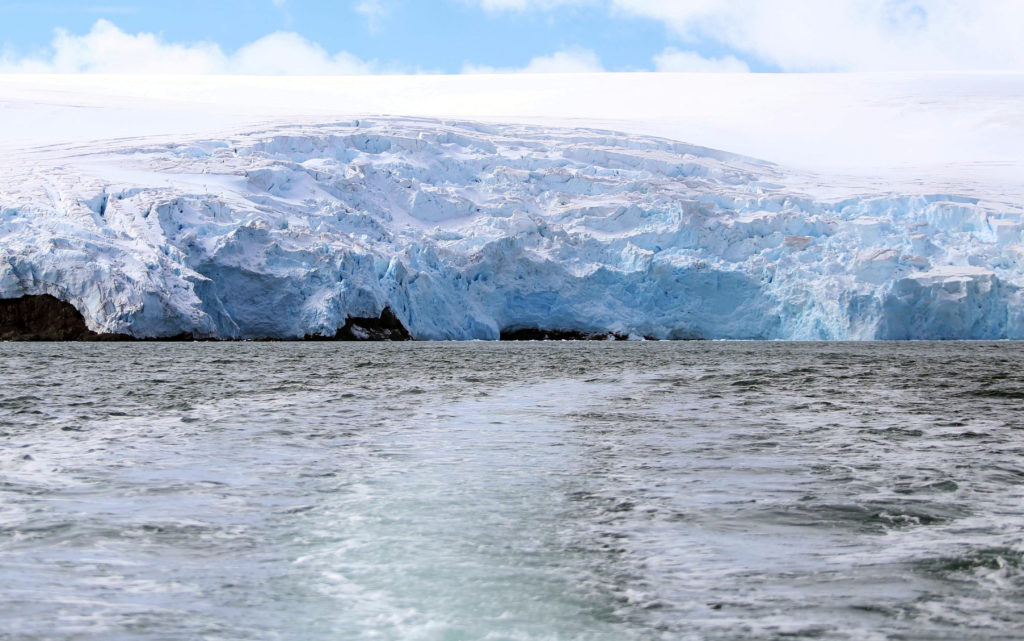
A report indicates that 12.5 trillion tons of ice have melted from Greenland and Antarctica since 1979. The glacier melt is primarily associated with warmer waters affecting the ice sheets from below and the sides.
Why it matters
This information is important as it relates to global sea level rise and climate change impacts.
How this story affects people
How does this story affect you if you live in coastal areas?
The melting ice contributes to rising sea levels, which can lead to increased flooding and erosion in coastal communities. This may affect property values, insurance costs, and the safety of homes and infrastructure.
How does this story affect you if you rely on fishing industries?
The glacier melt affects ocean temperatures and salinity, which can disrupt marine ecosystems and fish populations. This may impact fish availability and livelihoods for those dependent on fishing.
Want this written about you?
The breakdown above is the shared version, for kinds of people. In the app, Ripple uses your job, your city, and your family, then writes that part about you.
Get your RippleMore stories
- ClimateNOAA publishes weather predictions for upcoming months
- ClimateEnvironmental groups file lawsuit against Trump administration over climate regulations
- ClimateResearch shows limited access to green spaces in many English constituencies
- ClimateStudy links glacier collapse to floods in Nepal and Tibet, resulting in over 1,300 deaths