Former Iraqi diplomat discusses U.S. and Iran tensions in the region
PBS · July 29, 2026Original source ↗
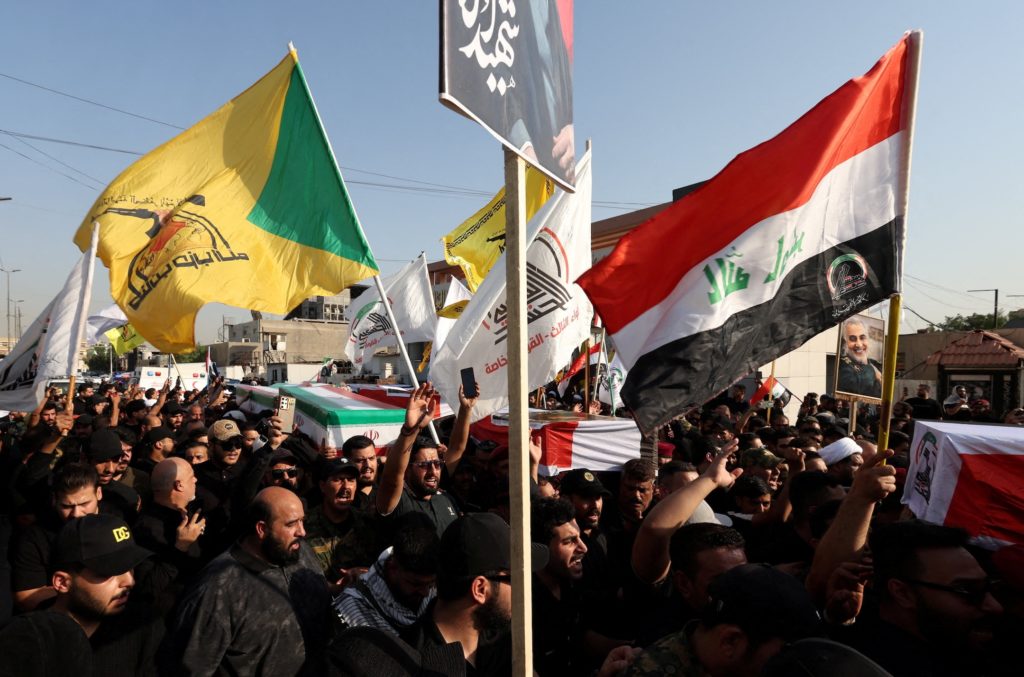
What happened
Geoff Bennett interviewed Feisal Istrabadi, a former Iraqi diplomat and director of the Center for the Study of the Middle East at Indiana University Bloomington. They discussed the ongoing military actions between the U.S. and Iran and their implications for the region.
Why it matters
Understanding these tensions is important for grasping the broader geopolitical landscape in the Middle East.
How this story affects people
How does this story affect you if you rent your home?
Tensions between the U.S. and Iran could lead to instability in the Middle East, which may affect global oil prices. Higher oil prices can increase living costs, potentially impacting renters' budgets.
How does this story affect you if you are a small business owner?
Increased military actions and geopolitical tensions can create uncertainty in the market, affecting consumer confidence and spending. Small businesses may face challenges in maintaining sales if economic conditions worsen.
How does this story affect you if you are a commuter?
Rising tensions in the Middle East may influence fuel prices, which could increase commuting costs. Additionally, any escalation in conflict could lead to broader economic impacts that affect job stability and commuting patterns.
Read a briefing based on your profile
The breakdown above is the shared version, for kinds of people. In the app, Ripple uses your job, your city, and your family, then writes that part about you.
Download on the App Store3 free Ripples in total. Read without an account. iPhone · iOS 26.0+ · United States
More stories
- InternationalTwo Iranian diplomats expelled from U.S. after failing to leave as ordered
- InternationalUS suspends consular services in Brazil due to security concerns
- InternationalBrazil accuses the US of interfering in its presidential election
- InternationalFood security issues develop in East Africa, affecting vulnerable populations