Toxic exposure and trauma may affect brain aging in first responders at Ground Zero
PBS · September 6, 2026Original source ↗
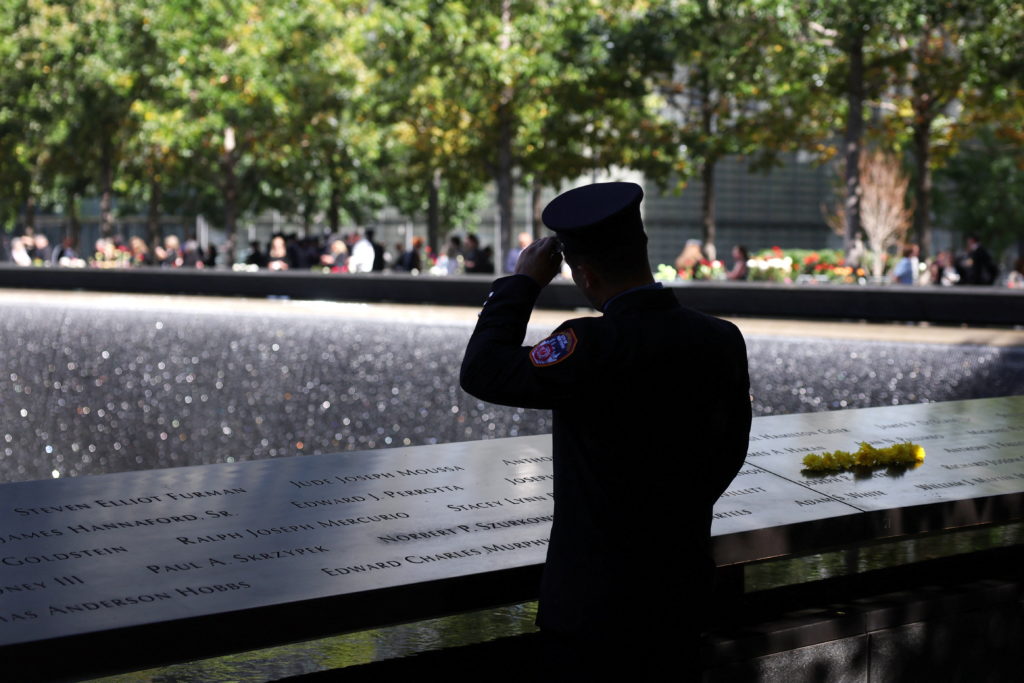
What happened
First responders at Ground Zero face health risks related to exposure to neurotoxic dust and psychological trauma. Studies suggest these factors could contribute to accelerated brain aging among this group.
Why it matters
This story highlights ongoing health issues faced by first responders, which may inform public health policies and support services.
How this story affects people
How does this story affect you if you are a first responder at Ground Zero?
You are at risk for significant health issues due to exposure to neurotoxic dust and psychological trauma. This could lead to accelerated brain aging, impacting your long-term cognitive health and quality of life.
How does this story affect you if you are a policymaker in public health?
You need to consider the ongoing health challenges faced by first responders, which may require updated support services and health policies. Addressing these issues could improve health outcomes for this vulnerable group.
Want this written about you?
The breakdown above is the shared version, for kinds of people. In the app, Ripple uses your job, your city, and your family, then writes that part about you.
Get your RippleMore stories
- HealthStudy finds adults with severe mental illness die earlier than general population
- HealthEmerging kidney disease identified in the US, new risk group observed
- HealthConcerns About Rabies Increase in the US Following Recent Incidents
- HealthMany pregnant women in England report domestic abuse to maternity services